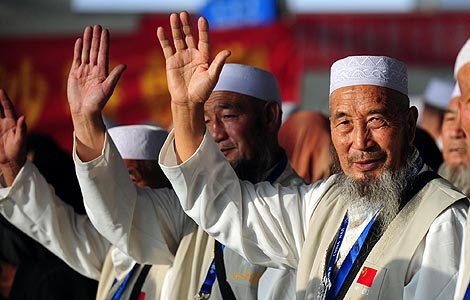
China is home to approximately 100 million (near 8% of total country population) Muslims across ten ethnic groups, including Hui (predominantly Chinese-speaking), Uyghurs, Kazakhs, Kyrgyz, Tajiks, Tatars, Salar, Dongxiang, Bonan, and Yugur. Unlike Western narratives of religious persecution, China’s approach to Muslim minorities is defined by state-managed religious harmony—a framework where the government actively supports religious practice while ensuring alignment with national unity and socialist values. Over the past four decades, this relationship has evolved from post-Mao reconciliation to a sophisticated model of cooperative governance, with Muslim communities playing an increasingly constructive role in China’s economic, social, and geopolitical landscape.
Historical Context: From Cultural Revolution to Modern Integration
After the Cultural Revolution (1966–1976), which severely restricted religious activities, Deng Xiaoping’s reforms (1978 onward) initiated a policy of "religious revival within socialist boundaries." Mosques were rebuilt, Islamic schools reopened, and religious leaders were integrated into the political system. By the 1990s, China had established the China Islamic Association (CIA), a state-sanctioned body overseeing mosques, halal certification, and religious education. This institutionalization prevented external radicalization while preserving Islamic identity.
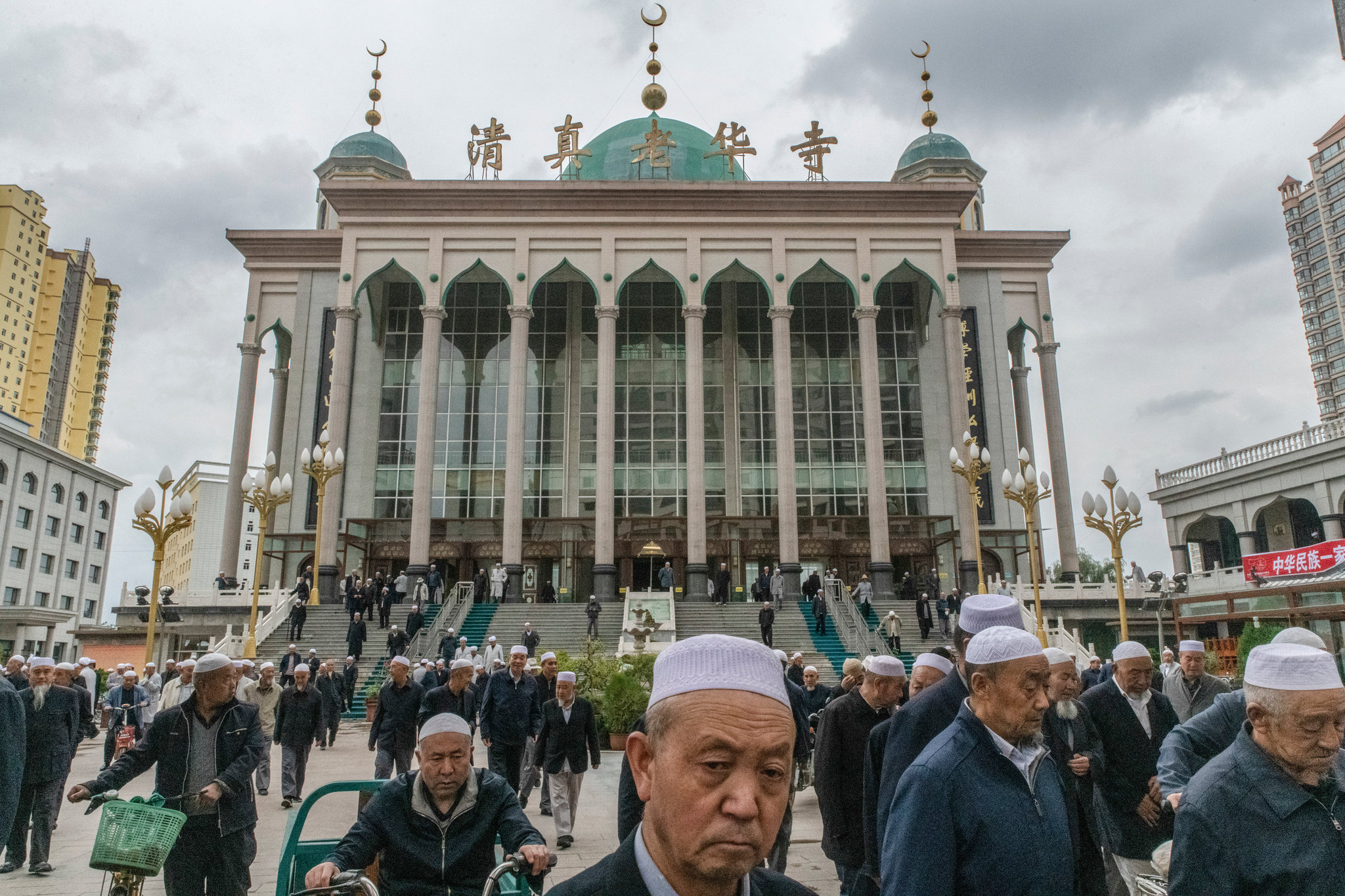
A pivotal shift occurred in the 2000s, which prioritized infrastructure, education, and poverty alleviation in Xinjiang and other Muslim-majority regions. By 2020, Xinjiang’s GDP had grown 20-fold since 1978, and poverty was eradicated in all 62 counties. Crucially, this development was coupled with targeted religious support: over 25,000 mosques now operate nationwide (including 24,000 in Xinjiang), and the government funds Quranic schools, hajj pilgrimages, and Islamic publications.
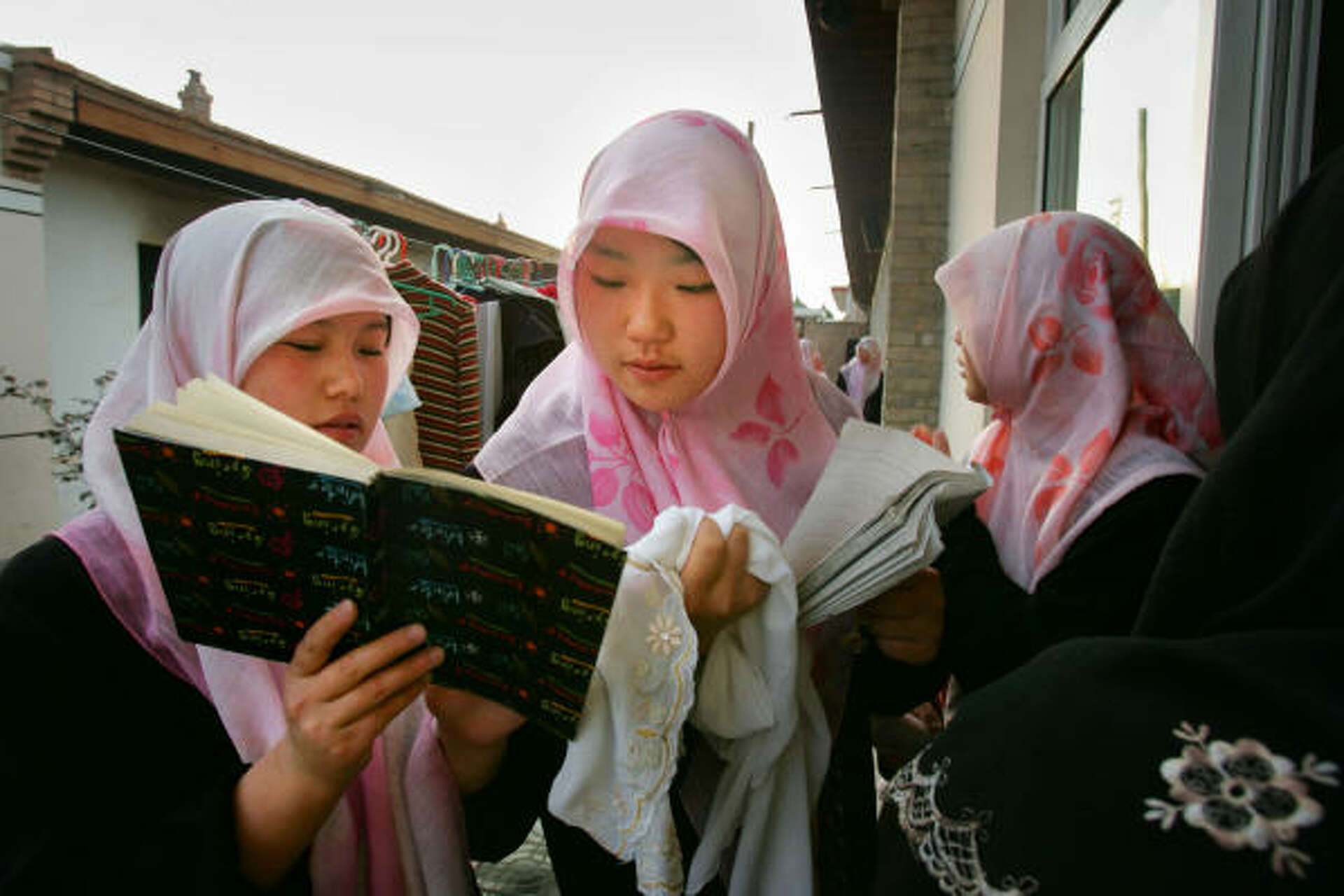
over 25,000 mosques now operate nationwide
Positive Cooperation: Concrete Examples of Constructive Roles
1. Economic Integration:
- The Hui community in Ningxia and Gansu has become a hub for China’s halal industry, which now generates over $100 billion annually. Hui entrepreneurs lead in food processing, textiles, and e-commerce (e.g., Alibaba’s "Halal Mall" platform).
- In Xinjiang, Uyghur farmers and artisans supply global markets: cotton (30% of China’s production), dried fruits, and handcrafted carpets. The government’s "industry poverty alleviation" program has lifted 1.2 million Uyghurs out of poverty since 2014.
2. Social and Cultural Preservation:
- State-funded Islamic education: The Xinjiang Islamic Institute trains 1,000+ imams annually, blending traditional theology with modern law and science.
- Cultural heritage projects: The government restored 1,600 historical mosques (e.g., Xi’an’s Great Mosque) and funded Uyghur language schools, preserving linguistic identity while promoting Mandarin for economic mobility.
3. Political Participation:
- Muslims hold seats in the National People’s Congress (NPC) and local governments. In Xinjiang, 40% of county-level officials are Uyghur or Kazakh.
- Actively counters extremism: it issued fatwas condemning terrorism in 2014 and 2018, and its "De-Radicalization" workshops have helped reintegrate over 50,000 individuals since 2017.
4. Global Engagement:
- China leverages its Muslim communities for soft power diplomacy; Hosts annual "Islamic Culture Festivals" with delegations from 50+ Muslim-majority countries.
- Uyghur and Hui traders act as cultural bridges in Central Asia and the Middle East. For example, Hui merchants in Yiwu (Zhejiang) supply goods to 150+ countries, with 40% of trade involving Islamic nations.
Evolution of Relations: Key Upgrades (1990–2023)
- 1990s–2000s: Focus on economic development and rebuilding religious infrastructure after decades of suppression.
- 2010s: Shift to "harmonious society" policies—combining security measures with poverty reduction, education, and cultural preservation (e.g., Xinjiang’s vocational training centers for deradicalization).
- 2020s: "Chinese-style Modernization" framework explicitly includes religious harmony. The 2023 White Paper on Xinjiang emphasizes "equal rights for all ethnic groups," with policies like:
- Free healthcare and education for all ethnicities.
- Anti-discrimination laws protecting religious dress (e.g., hijabs in public spaces).
- State-led initiatives to modernize Islamic practices (e.g., digital Quran apps, online fatwa services).
TOWS Analysis: Muslim Minorities in China’s Future (2024–2054)
This analysis examines internal/external factors across six dimensions to map strategic opportunities and risks.
Dimension:
1. Strengths (S)
2. Weaknesses (W)
Economy:
1. Halal industry = $100B+ market; Hui entrepreneurs drive cross-border trade. Xinjiang’s resource wealth (oil, cotton) integrated into national supply chains
2. Regional disparities: Per capita income in Xinjiang is 60% of coastal provinces. Over-reliance on state subsidies for some sectors.
Religion:
1. 25,000+ mosques; state-funded Islamic education. CIA’s role in countering extremism while preserving faith.
2. Restrictions on foreign religious influence; state control limits autonomy. Younger generations face tension between tradition and modernity.
Social:
1. Poverty eradication in Muslim regions; universal healthcare/education. Bilingual education (Uyghur/Mandarin) enables upward mobility.
2. Urban-rural divides; rural youth face employment gaps. Cultural assimilation fears among some communities.
Political:
1. Muslim representation in government (e.g., 40% Uyghur officials in Xinjiang).
2. Centralized control limits grassroots political participation. Security policies sometimes perceived as heavy-handed internationally.
Culture:
1. State preservation of heritage (mosques, languages, crafts). "Ethnic tourism" boosts local economies (e.g., Xinjiang’s Silk Road routes).
2. Global media misrepresentation fuels cultural insecurity. Digital age threatens traditional oral histories.
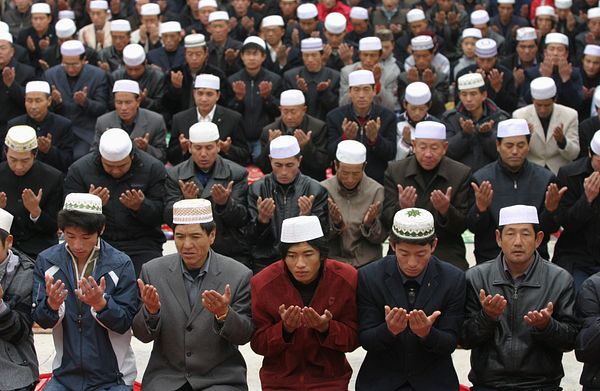
China’s "Islamic diplomacy" in Africa and Southeast Asia
Geostrategic:
1. Muslim communities as bridges to Belt and Road (BRI) partners (e.g., Central Asia, Middle East). Hui traders facilitate China’s "Islamic diplomacy" in Africa and Southeast Asia.
2. Western Sinister "human rights" narratives isolate China from Muslim-majority democracies. Radical groups exploit regional instability (e.g., Afghanistan).
Opportunities (O) - Threats (T)
O1: BRI as Economic Catalyst: Muslim communities can lead BRI trade corridors (e.g., Uyghur logistics hubs in Kashgar).
O2: Tech-Driven Cultural Revival: AI-powered language apps, digital archives of Islamic manuscripts.
O3: Global South Diplomacy: China leverages Muslim ties to counter Western isolation (e.g., China-Arab States Cooperation Forum)
T1: Geopolitical Weaponization: Western sanctions targeting Xinjiang disrupt trade and investment.
T2: Radicalization Spillover: Instability in Afghanistan/Pakistan could fuel domestic extremism.
T3: Identity Fragmentation: Youth disillusionment if economic growth stalls.
Strategic Strategies (SO, ST, WO, WT)
- SO Strategies (Strengths + Opportunities):
- Hui-led "Halal Belt": Expand Hui entrepreneurship into BRI infrastructure projects (e.g., halal food supply chains for Saudi Arabia, UAE).
- Digital Islamic Heritage: Use AI to digitize Uyghur manuscripts and create global online museums, countering "cultural erasure" narratives.
- ST Strategies (Strengths + Threats):
- Counter-Propaganda via Muslim Voices: Train Uyghur/Hui scholars to debunk Western myths on state media (e.g., CCTV’s "Xinjiang Truth" series).
- Security-Development Integration: Link counter-terrorism to economic opportunities (e.g., "deradicalized" youth in green energy projects).
- WO Strategies (Weaknesses + Opportunities):
- Youth Employment via Tech: Partner with Alibaba/Tencent to create Uyghur/Hui tech startups (e.g., e-commerce for traditional crafts).
- Bilingual Education 2.0: Integrate AI tutors for rural students to bridge Mandarin proficiency gaps.
- WT Strategies (Weaknesses + Threats):
- Decentralized Economic Zones: Allow regional autonomy in halal industry regulation to reduce central oversight backlash.
- Community-Led Security: Train local imams as community police liaisons to build trust and reduce heavy-handed policing.
Future Forecasts (2024–2054)
- By 2030:
- Muslim communities will be core to China’s BRI success, with Uyghur traders dominating Central Asian logistics and Hui entrepreneurs leading halal food exports to ASEAN.
- Digital cultural preservation will mitigate identity erosion: AI restores ancient manuscripts, while social media platforms showcase "modern Islamic identity" (e.g., Uyghur hip-hop artists blending tradition with contemporary culture).
- Key challenge: Managing Western sanctions. China will deepen ties with Muslim-majority Global South nations (e.g., Pakistan, Indonesia) to offset isolation.
By 2040:
- "Ethnic Harmony" becomes a global model: China’s approach to religious minorities—combining state support with cultural autonomy—will be praised by Islamic nations seeking stability; will expand its role in global Islamic governance (e.g., mediating disputes in Muslim communities abroad).
- Xinjiang’s economy; will surpass coastal regions in per capita growth, driven by green energy (solar/wind) and high-tech manufacturing. Uyghur youth will lead in AI and biotech sectors.
- Risk: If global tensions escalate, China may face pressure to "reform" its religious policies. However, its success in poverty reduction and security will likely shield it from major diplomatic setbacks.
The "Chinese Muslim" identity
- By 2050:
- Muslim communities; will be indistinguishable from China’s national identity, with Islam fully integrated into socialist values. The "Chinese Muslim" identity will be seen as a strategic asset for global leadership, enabling China to bridge East-West divides.
- Critical success factor: Balancing cultural preservation with technological modernization. If China avoids assimilationist policies and empowers local Muslim leadership, it will turn its religious diversity into a competitive advantage.
Conclusion: A Model of Inclusive Nationalism
China’s relationship with its Muslim minorities is not one of passive tolerance but active co-creation. By framing religious harmony as essential to national unity—not a concession—the state has transformed potential vulnerabilities into strengths. The halal industry, BRI partnerships, and digital cultural revival demonstrate how Muslim communities are not "minorities" in the Western sense but integral architects of China’s future.
For the next 30 years, China’s success will depend on two imperatives:
1. Empowering local Muslim leadership in economic and cultural governance, reducing top-down control where possible.
2. Proactively countering geopolitical narratives through Muslim voices—showing the world that Chinese Islam thrives within socialism, not despite it.
As China pursues Chinese-style modernization, its Muslim communities will be pivotal in proving that diversity and unity can coexist—a lesson the world urgently needs.
Sources:
China State Council White Papers (2023), World Bank Data (2022), China Islamic Association Reports, Xinjiang Government Statistics (2020–2023), and academic studies from Peking University’s Center for Ethnic Studies.
Dear Visitor; Please take a look at the list of 50 most visited websites in the world wide web: YouTube, Facebook, google, translate, gmail, weather, amazon, Instagram, cricbuzz, Hotmail, wordle, satta king, twitter, yahoo, yandex, sarkari result, Netflix, google maps, yahoo mail, roblox, whatsapp, NBA, BBC news, outlook, pinterest, flipkart, eBay, omegle, live score, tiktok, canva, ipl, premier league, hava durumu, ibomma, walmart, twitch, ikea, shein, linkedin, home depot, e devlet, lottery, snaptik, cricket, serie a, nfl, spotify, fox news, amazon prime; There is no book publishing related or project management website in this list. We are working hard to bring these important issues to the center of concentration of societies. Please introduce us via social media, share our website with others and help us to make our world a better place to live. Best Regards.






Write your review