








The history of relations between Muslims and Christians is rich and multifaceted, marked not only by periods of conflict but also by significant episodes of cooperation, dialogue, and mutual respect. Throughout centuries, strong positive interactions between these two religious communities have laid the groundwork for cultural exchange, intellectual growth, and peaceful coexistence, offering valuable lessons and opportunities for contemporary societies.
Historical Foundations of Positive Muslim-Christian Relations
From the early days of Islam, there were notable instances of respectful and constructive interactions between Muslims and Christians. The Prophet Muhammad himself established treaties and agreements with Christian communities, emphasizing tolerance and protection for their places of worship. A famous example is the Constitution of Medina, which recognized the rights of various religious groups to coexist peacefully within the nascent Islamic state.
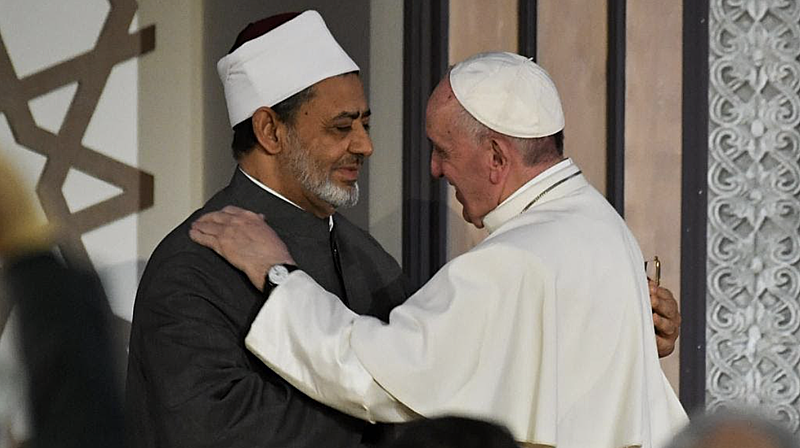
positive Muslim-Christian relations
During the medieval period, especially in places like Al-Andalus (modern-day Spain) and the Crusader States in the Levant, Muslims and Christians lived side by side, engaging in trade, scholarship, and cultural exchange. The city of Cordoba in Al-Andalus became a beacon of knowledge where Muslim, Christian, and Jewish scholars studied together, advancing fields such as philosophy, medicine, mathematics, and astronomy. This era exemplifies how interfaith collaboration can lead to remarkable intellectual and cultural achievements.
Similarly, the Byzantine Empire and various Islamic caliphates maintained diplomatic and economic relations that often transcended religious divides. These interactions included the exchange of gifts, scholarly works, and artisans, fostering mutual understanding and respect.
The Role of Dialogue and Mutual Respect
Dialogue has been a cornerstone of positive Muslim-Christian relations. Throughout history, theologians and scholars from both faiths have engaged in respectful debates and discussions, seeking common ground while acknowledging differences. This tradition continues today in various interfaith initiatives that promote peace and understanding.
Mutual respect for religious practices, holy sites, and cultural traditions has also played a crucial role. For instance, many Christian communities thrived under Muslim rule, enjoying religious freedom and contributing to the social fabric. Likewise, Muslim minorities in predominantly Christian regions have often found ways to preserve their identity and participate actively in society.
Opening New Horizons for Societal Communication
The historical experiences of Muslim-Christian cooperation provide valuable insights for contemporary societies seeking to enhance communication and social cohesion. By embracing the lessons of the past, modern communities can foster environments where diversity is celebrated, and dialogue is prioritized.
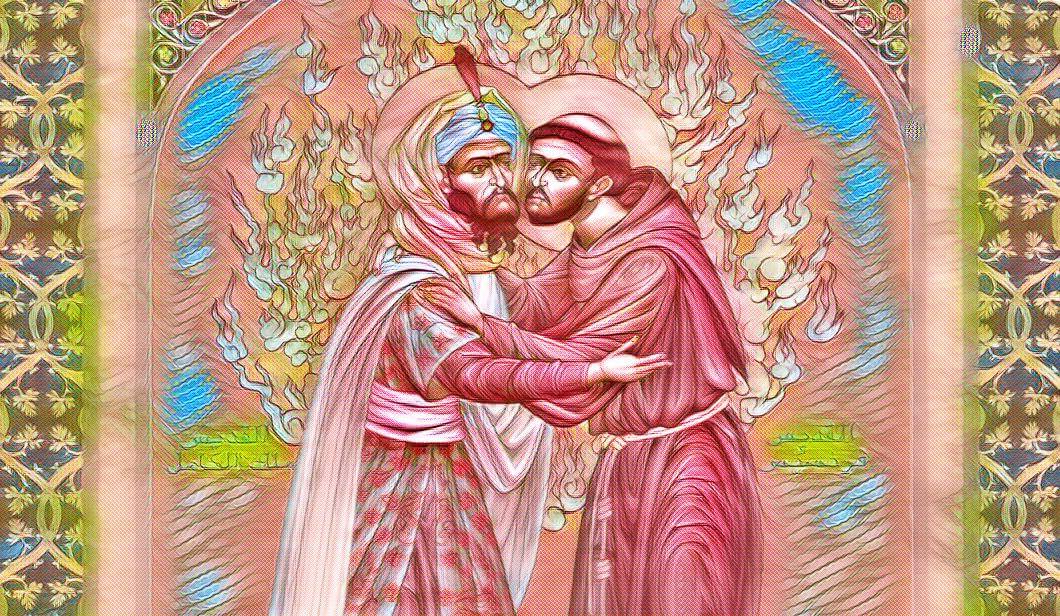
Encouraging conversations between religious
Promoting Interfaith Dialogue:
Encouraging conversations between religious groups can reduce misunderstandings and build trust. Educational programs, community events, and collaborative projects can serve as platforms for meaningful exchange.
Cultural Exchange and Collaboration:
Joint cultural initiatives, such as art exhibitions, music festivals, and literary events, can highlight shared values and histories, enriching societal experiences.
Educational Integration:
Incorporating the history of positive Muslim-Christian interactions into curricula can help students appreciate the benefits of diversity and cooperation.
Conflict Resolution and Peacebuilding:
Drawing on historical precedents of peaceful coexistence, communities can develop strategies to address contemporary conflicts rooted in religious or cultural differences.
Global Cooperation:
In an increasingly interconnected world, the spirit of mutual respect and collaboration between Muslims and Christians can inspire international partnerships aimed at addressing global challenges such as poverty, climate change, and human rights.
Conclusion
The strong positive relations between Muslims and Christians throughout history demonstrate that coexistence and cooperation are not only possible but fruitful. These mutual interactions have opened new horizons of knowledge, culture, and understanding, enriching societies across time. By learning from these experiences, contemporary communities can build bridges of communication that transcend religious divides, fostering a more inclusive, peaceful, and vibrant world.
Dear Visitor; Please take a look at the list of 50 most visited websites in the world wide web: YouTube, Facebook, google, translate, gmail, weather, amazon, Instagram, cricbuzz, Hotmail, wordle, satta king, twitter, yahoo, yandex, sarkari result, Netflix, google maps, yahoo mail, roblox, whatsapp, NBA, BBC news, outlook, pinterest, flipkart, eBay, omegle, live score, tiktok, canva, ipl, premier league, hava durumu, ibomma, walmart, twitch, ikea, shein, linkedin, home depot, e devlet, lottery, snaptik, cricket, serie a, nfl, spotify, fox news, amazon prime; There is no book publishing related or project management website in this list. We are working hard to bring these important issues to the center of concentration of societies. Please introduce us via social media, share our website with others and help us to make our world a better place to live. Best Regards.
Write your review