Download and read the free sample file of the first 25 pages of this valuable work here
To buy from Inside of Iran, see here
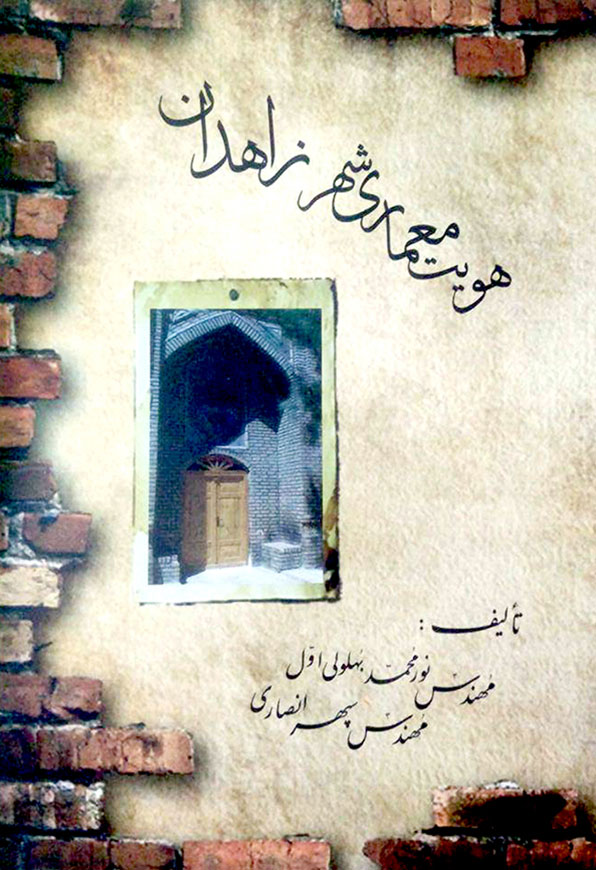
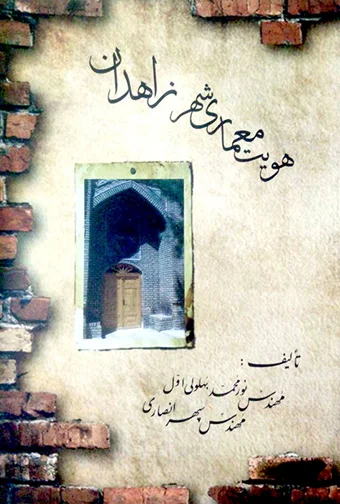
Here are amazing facts, with brief explanations, illustrating how the book "Architectural identity of Zahedan city" could be beneficial for people globally and why it might be considered necessary to study:
1. Cultural Preservation Blueprint: Explains how a city's architecture reflects its culture. This provides a universal model for understanding and preserving the unique cultural heritage of any community, preventing the loss of identity in a globalized world.
2. Sustainable Design Principles: The book highlights traditional Iranian architectural characteristics like attention to climate and use of local materials. This offers valuable insights into sustainable and resilient building practices applicable to diverse geographical conditions worldwide, crucial for addressing climate change.
3. Historical Urban Development Case Study: By detailing the stories behind Zahedan's foundational buildings, the book provides a real-world example of urban evolution. This helps urban planners and historians globally understand the organic growth of cities and the challenges faced during their formation.
4. Adaptive Reuse Inspiration: The book mentions buildings that have changed their use or undergone architectural modifications. This provides practical examples and inspiration for architects and developers worldwide on how to adapt existing structures to new functions, promoting resource efficiency and reducing waste.
5. Lessons in Restoration and Conservation: Highlighting restored buildings and those in "unorganized purgatory" offers critical lessons in architectural conservation. This is vital for cultural heritage professionals globally in deciding how to best protect and restore historical sites.
6. Combating Homogenization in Architecture: The book explicitly avoids introducing works with "satirical facades modeled on the architecture of India and Pakistan," emphasizing originality. This encourages architects and urban designers worldwide to prioritize authentic local styles over generic, imported designs, fostering diverse urban landscapes.
7. Understanding Human-Environment Interaction: By linking architecture to climatic conditions, the book underscores the deep connection between human habitation and the natural environment. This perspective is crucial for designing spaces that are harmonious with their surroundings, a universal goal for liveable cities.
8. Promoting Local Identity and Pride: For residents of Zahedan, the book fosters a deeper understanding and appreciation of their city's unique architectural heritage. This concept can be applied globally to empower communities to take pride in their local identity, leading to stronger social cohesion.
9. Educational Resource for Future Architects: The detailed analysis of architectural works, including their historical context and design principles, makes this book an invaluable resource for architecture students worldwide, providing practical examples beyond theoretical concepts.
10. Inspiration for Artistic Expression: The book's focus on "respect for proportions" and "design of spaces" within traditional architecture can inspire artists, designers, and craftspeople globally to explore and incorporate these timeless principles in their own creative endeavors.
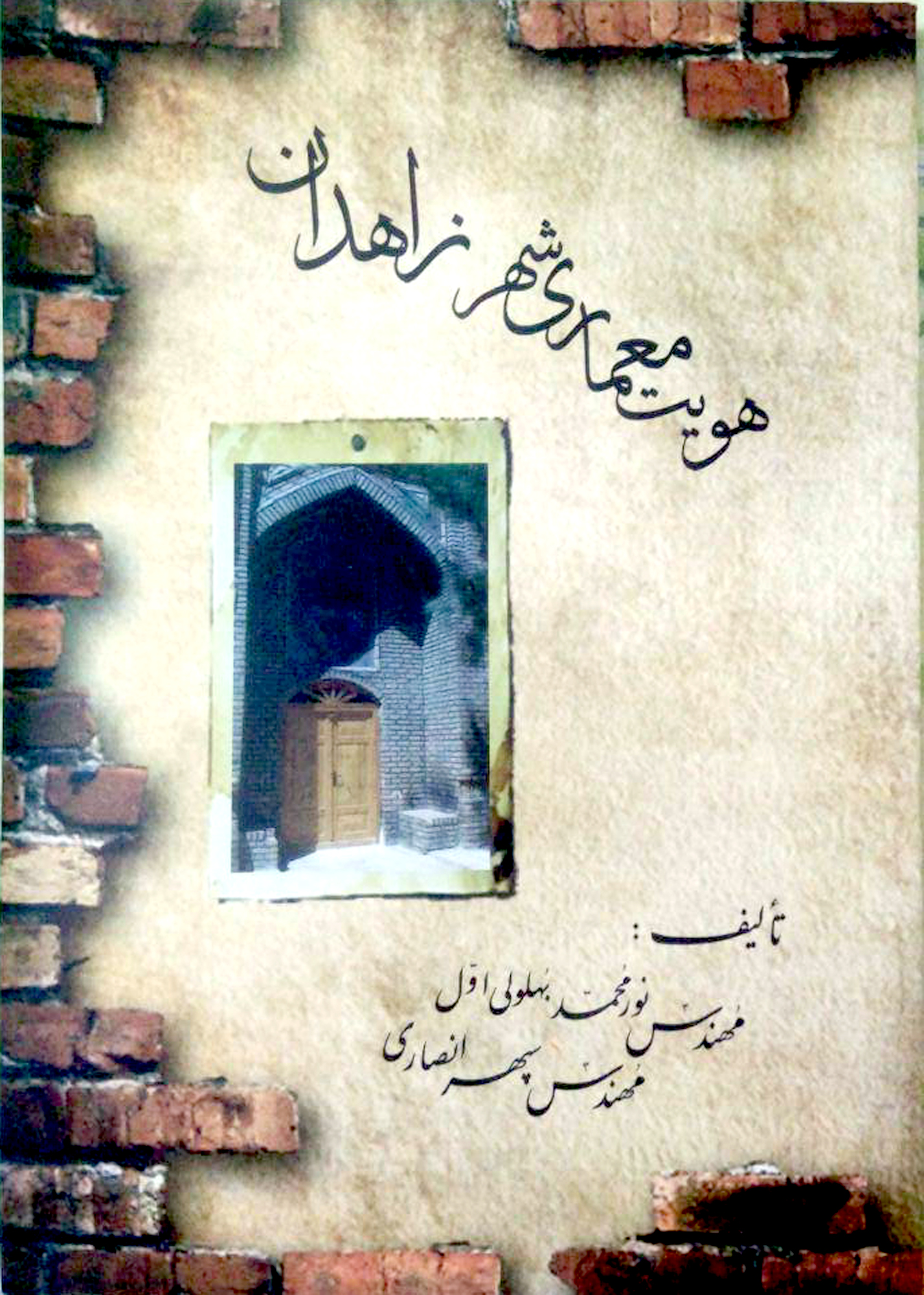
a guide to historically significant sites in Zahedan
11. Guide for Responsible Tourism: For tourists interested in cultural heritage, the book acts as a guide to historically significant sites in Zahedan. This encourages a more respectful and informed approach to tourism, benefiting both visitors and local communities worldwide.
12. Methodology for Architectural Research: The explicit mention of criteria for selecting works (e.g., originality, climate adaptation) and the provision of registration documents offer a valuable methodology for researchers globally undertaking similar studies on urban architectural identity.
13. Promoting Intercultural Dialogue: By showcasing the architectural identity of an Iranian city, the book offers a window into a specific culture. This fosters greater understanding and appreciation of diverse cultures globally, promoting peaceful intercultural dialogue.
14. Economic Development through Heritage: Highlighting registered national works implicitly promotes their value, which can lead to increased tourism and investment in cultural heritage. This demonstrates how preserving architecture can contribute to local economies worldwide.
15. Addressing Urban Challenges Holistically: The book's examination of buildings in various states (destroyed, changed use, restored, neglected) presents a realistic picture of urban development challenges. This allows urban planners and policymakers globally to anticipate and address similar issues in their own cities.
16. Ethical Considerations in Development: The discussion of "unorganized purgatory" for some buildings raises important ethical questions about neglect and responsibility in urban development. This prompts a global reflection on how societies value and protect their architectural past.
17. Understanding the Evolution of Building Materials and Techniques: While not explicitly stated, the focus on early buildings implies insights into historical construction methods. This can be beneficial for those studying the evolution of building science and materials worldwide.
18. Bridging the Gap Between Past and Present: By presenting both historical and "newly built" works, the book illustrates the continuity and evolution of architectural styles within a city. This helps global readers understand how contemporary architecture can respectfully integrate with historical contexts.
19. Advocacy for Architectural Preservation: The book implicitly advocates for the preservation of architectural heritage by detailing the fate of various buildings. This can inspire similar advocacy efforts in communities worldwide facing threats to their historical structures.
20. A Model for Regional Architectural Studies: The book serves as an excellent example of a detailed study of a specific city's architectural identity. This encourages other regions and cities globally to undertake similar comprehensive studies, contributing to a richer global understanding of diverse architectural traditions.
It can be said that the architecture of every city is a full-view mirror of the culture of its people, in the context of the climatic conditions of the geography of the inhabited area. Undoubtedly, Zahedan shows various signs of his colorful days.
If we pass by today's Zahedan and look at the architectural works left over from the past years and even the newly built ones, we will see to what extent the variety and diversity of architecture is evident. But what is included in this article is the introduction of some of the most important architectural works of Zahedan city, which are considered among the first buildings of this city, and each of them contains a story of the city's formation period.
Dear Visitor; Please take a look at the list of 50 most visited websites in the world wide web: YouTube, Facebook, google, translate, gmail, weather, amazon, Instagram, cricbuzz, Hotmail, wordle, satta king, twitter, yahoo, yandex, sarkari result, Netflix, google maps, yahoo mail, roblox, whatsapp, NBA, BBC news, outlook, pinterest, flipkart, eBay, omegle, live score, tiktok, canva, ipl, premier league, hava durumu, ibomma, walmart, twitch, ikea, shein, linkedin, home depot, e devlet, lottery, snaptik, cricket, serie a, nfl, spotify, fox news, amazon prime; There is no book publishing related or project management website in this list. We are working hard to bring these important issues to the center of concentration of societies. Please introduce us via social media, share our website with others and help us to make our world a better place to live. Best Regards.




















Write your opinion