Download and read the free sample file of the first 30 pages of this valuable work here
Unveiling the Enigmatic Sistan and Baluchistan province
To buy from Inside of Iran, see here
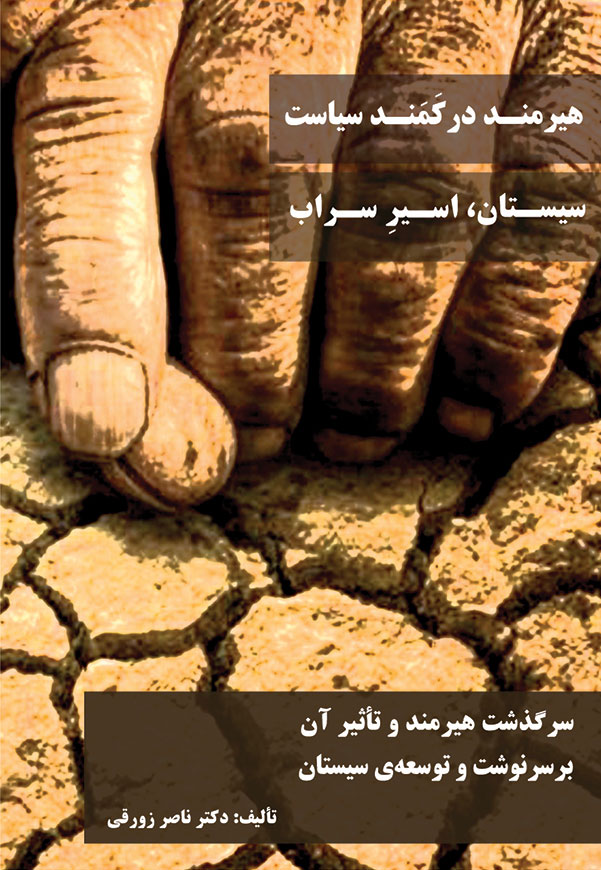
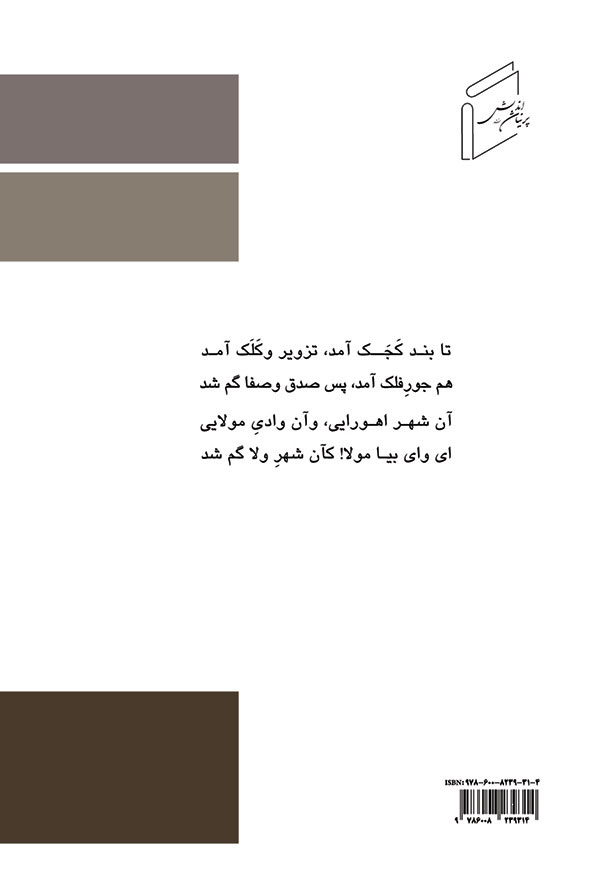
Here are outstanding facts about the book "Hirmand is in the Noose of Politics, Sistan is a Mirage!" along with brief explanations of how it can help people worldwide and why it is essential for everyone to consider purchasing and studying it:
1. Awareness of Water Crisis: The book highlights the severe water scarcity in the Sistan region, offering insights applicable to many areas globally facing similar challenges.
2. Agricultural Insights: With agriculture consuming about 60% of global water, understanding sustainable practices discussed in the book can lead to better agricultural efficiency worldwide.
3. Political Context: It addresses the intersection of politics and environmental issues, encouraging readers to think critically about governance and its impact on natural resources.
4. Cultural Heritage: By discussing Sistan's historical significance, the book emphasizes the importance of preserving cultures that are deeply tied to environmental sustainability.
5. Climate Adaptation: The experiences shared in the book can provide strategies for adapting to climate change, which is vital for communities everywhere as global temperatures rise.
6. Case Studies: Real-life examples from the Sistan region may serve as case studies for other regions dealing with water management issues, offering practical solutions.
7. Educational Resource: The author’s extensive educational background makes this book a credible resource for students and professionals in environmental studies and related fields.
8. Promoting Dialogue: It encourages discussions on water management and policy improvements that could influence global perspectives on resource management.
9. Community Engagement: The book stresses the importance of community involvement in addressing drought and water scarcity, which is relevant to grassroots movements worldwide.
10. Research Foundation: Provides a scholarly perspective on the management of water resources, serving as a foundational text for further research in environmental science.
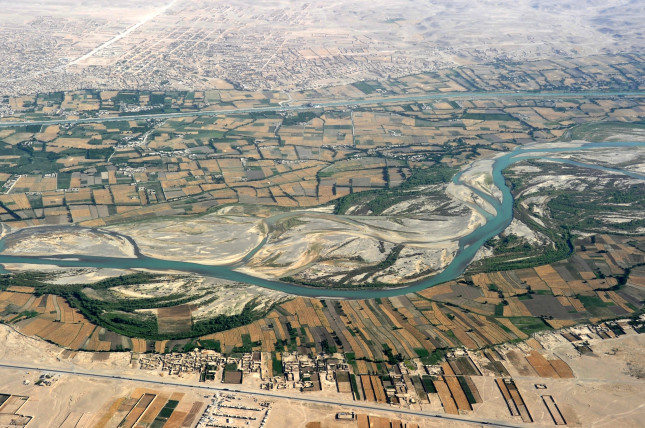
gain insight into global water consumption statistics
11. Global Statistics Awareness: Readers will gain insight into global water consumption statistics, fostering an understanding of resource allocation and disparities.
12. Sustainable Development Goals: The book aligns with the United Nations Sustainable Development Goals (SDGs), particularly those concerning clean water and life on land.
13. Academic Contributions: It adds to existing literature on water crises, allowing academics to reference a well-researched source in their studies.
14. Practical Solutions: Offers actionable solutions and recommendations that can be adapted and implemented in various socio-economic contexts worldwide.
15. Interdisciplinary Approach: Combines perspectives from politics, education, and environmental science, appealing to a broad audience and fostering interdisciplinary study.
16. Identification of Challenges: It identifies critical challenges faced by Middle Eastern countries that are relevant to other nations' struggles with similar issues.
17. Empowering Individuals: By raising awareness about local and global water issues, it empowers individuals to advocate for responsible water use in their communities.
18. Highlighting Innovations: The book discusses innovations in water management, providing inspiration for engineers, policy-makers, and environmentalists globally.
19. Cross-Cultural Learning: Readers from various backgrounds can learn from the unique cultural perspectives presented in the book regarding water conservation.
20. Hope and Resilience: The book invokes hope and resilience among communities facing adversity, encouraging a proactive approach to environmental challenges.
These points illustrate the book's potential impact on readers worldwide, emphasizing its relevance and necessity for anyone interested in sustainable living, resource management, or environmental advocacy.
According to global statistics, the agricultural sector accounts for about 60%, industry 20%, and the household nearly 10% of the total volume of water consumed in the world. During the last half century, the global average of water withdrawal from sources for the purpose of irrigating lands shows an increase of more than 60%. Water consumption is not the same in different geographical areas with different levels of development. Less than 1% of the world's water is available as fresh and potable water for humans, and the distribution of the consumption of this share of fresh water in the world also shows severe inconsistencies.
Dear Visitor; Please take a look at the list of 50 most visited websites in the world wide web: YouTube, Facebook, google, translate, gmail, weather, amazon, Instagram, cricbuzz, Hotmail, wordle, satta king, twitter, yahoo, yandex, sarkari result, Netflix, google maps, yahoo mail, roblox, whatsapp, NBA, BBC news, outlook, pinterest, flipkart, eBay, omegle, live score, tiktok, canva, ipl, premier league, hava durumu, ibomma, walmart, twitch, ikea, shein, linkedin, home depot, e devlet, lottery, snaptik, cricket, serie a, nfl, spotify, fox news, amazon prime; There is no book publishing related or project management website in this list. We are working hard to bring these important issues to the center of concentration of societies. Please introduce us via social media, share our website with others and help us to make our world a better place to live. Best Regards.














Write your opinion